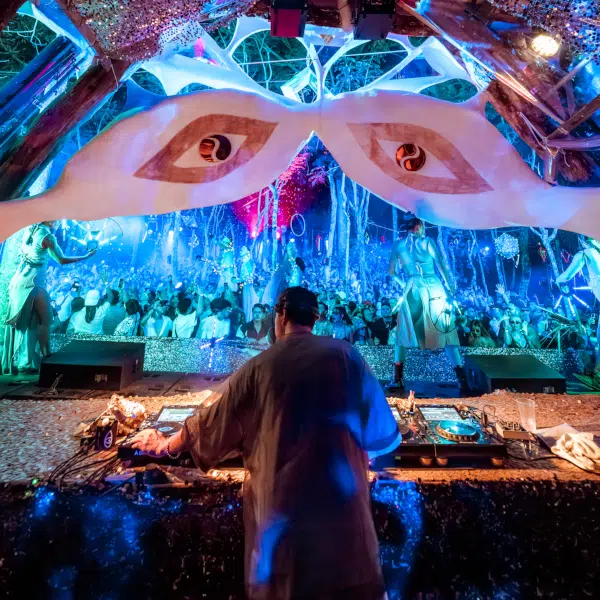
Thousands of fun-seekers have started celebrating carnival in Germany. By dressing up in costumes and singing in the streets, they are determined to shrug off what is shaping to be the worst recession since the Second World War. “When times are tough we just party even harder,” said Christoph Kuckelkorn, the manager of the Cologne's Rose Monday procession, which attracts 1.5 million and is broadcast nationwide. “It’s our way of life. It’s about letting your hair down once a year, and this year there’s even more reason.”
The predominantly Catholic west and south of Germany comes to a standstill in the six days before Ash Wednesday when this traditionally orderly country descends into chaos. The people of Cologne pride themselves on being Germany’s most fanatical carnival worshippers, yet celebration also occurs in Düsseldorf, Mainz and countless other towns across the west. Locals say it makes the Munich Oktoberfest look like a tea party.
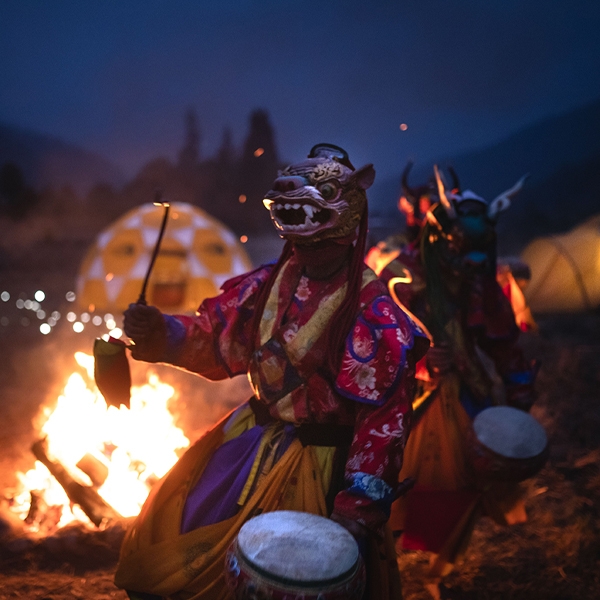
Carnival stems from the Roman tradition of celebrating the onset of spring as well as from ancient Germanic fertility rites. The rituals were adopted by Christians as a way to usher in the fasting period before Easter, and the partying evolved over the centuries.

Carnival in Cologne


Angela Merkel, Chancellor of West Germany


Papier mache figure of Angela Merkel.

Carnival in Dusseldorf

courtesy of
the national and
etoday
You need to be a member of My Modern Metropolis to add comments!
Join My Modern Metropolis