Art

May 18, 2026

People Are “Scrambling” to Get One of These Giant Hyperrealistic Egg Sculptures

How do you like your eggs in the morning? Erika S. Rhinelander likes hers covered in epoxy resin. The Newfoundland-based artist creates hyperrealistic dripping egg sculptures that look as though they’ve just been cracked open. Rhinelander has been making egg sculptures for around three years, and has a steady stream of egg-lovers scrambling to get their hands on one.
Read Article


May 16, 2026

Master Glassblower Dale Chihuly Returns to Venice With Stunning Set of Glass Towers

In Dale Chihuly’s mind, there is “nothing that possibly compares to Venice.” The Italian city’s “light, history, and breathtaking architecture,” he continues, “have been a constant source of inspiration for me.” Indeed, the master glassblower has harbored a fascination with Venice that can be traced back decades. In 1996, he exhibited Chihuly Over Venice, comprising 14 chandeliers suspended over canals, markets, bridges, and courtyards throughout the city.

Read Article


May 13, 2026

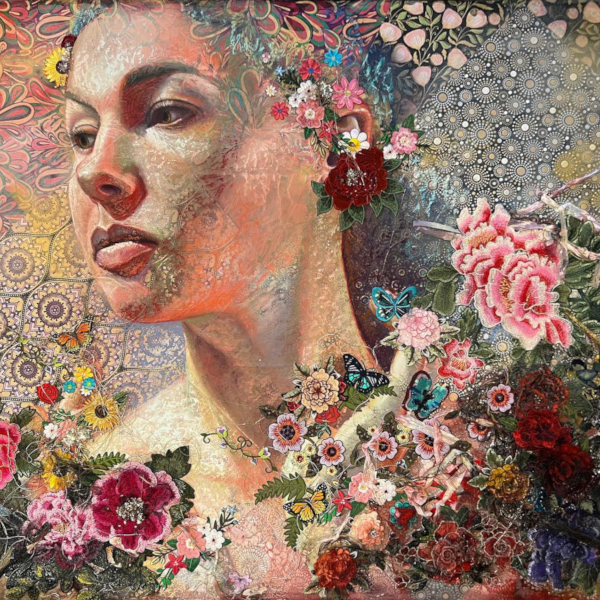
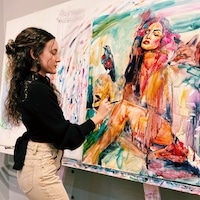
Dreamy Paintings Capture the Human Spirit in Flowers Overlapping Female Faces

Flowers have long held symbolism. In the Victorian era, for instance, learning a bloom’s meaningful metaphor was a popular pastime and a physical way to express feelings that couldn’t be made public. But just as language evolves, so does the meaning of flowers. Now, as a whole, they evoke themes of beauty, strength, and resilience. Some florals grow despite harsh conditions, and others—annuals—bloom, wilt, and reappear year after year.

Read Article


May 7, 2026

AI Analysis May Have Identified a Lost Portrait of Anne Boleyn’s Real Face

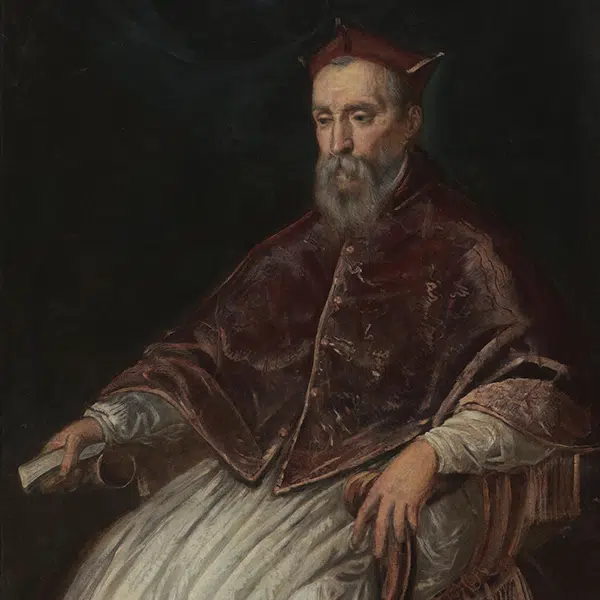
For centuries, Anne Boleyn’s face has remained one of art history’s most enduring mysteries. Now, researchers believe artificial intelligence may have uncovered a forgotten portrait of the ill-fated queen hidden within the drawings of Hans Holbein the Younger. A new study from researchers at the University of Bradford and independent scholar Karen Davies challenges a centuries-old assumption.

Read Article